smartec-webview, Author at smartec-tools

Enhansing-Aeroforce_02.jpg

September 7, 2025

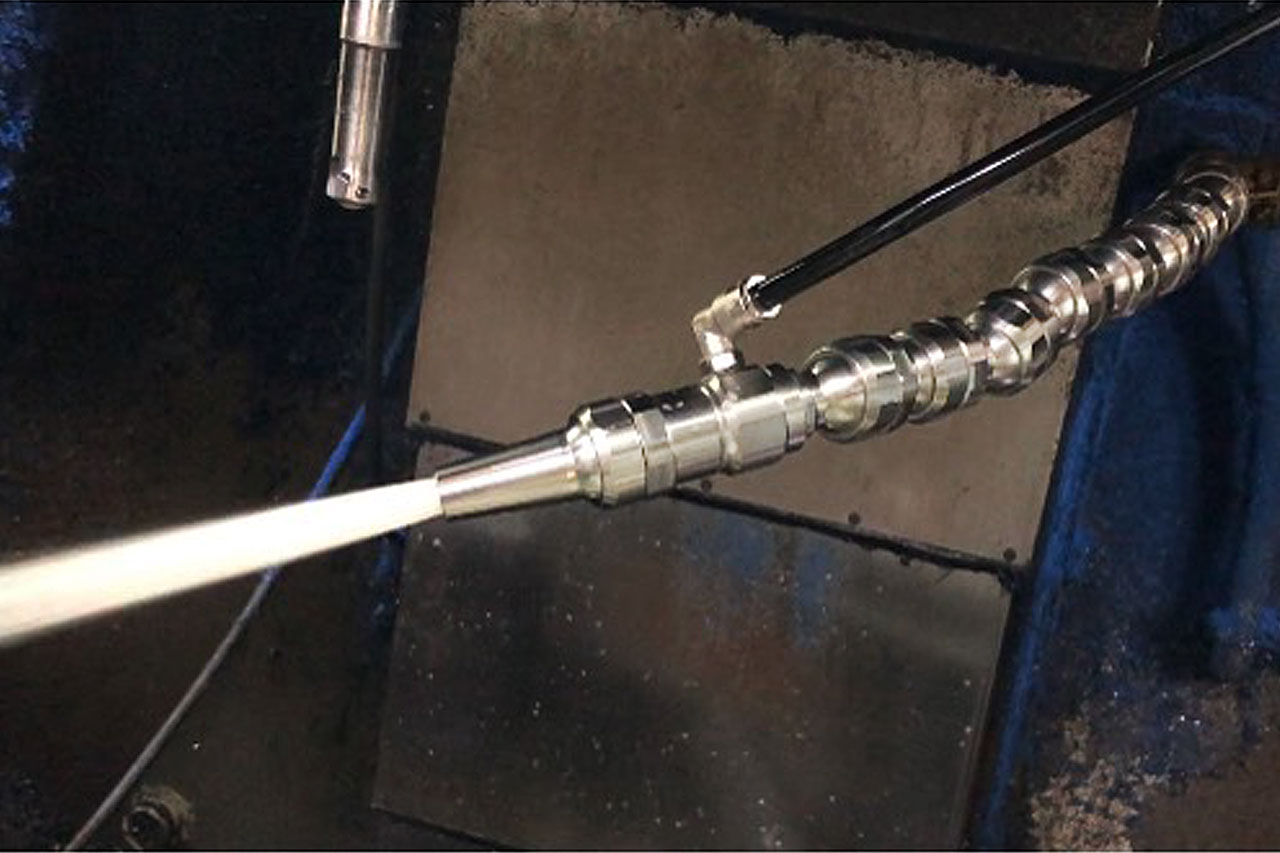
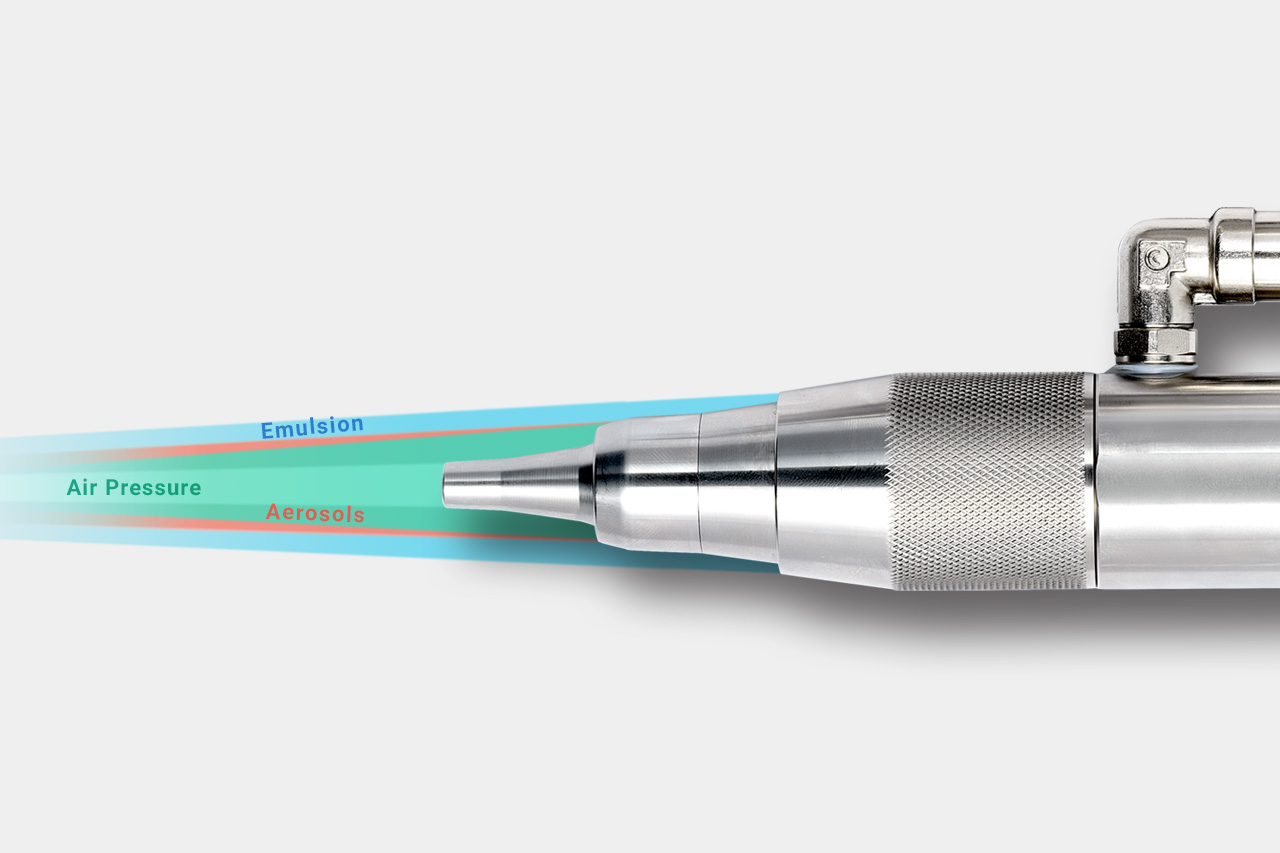
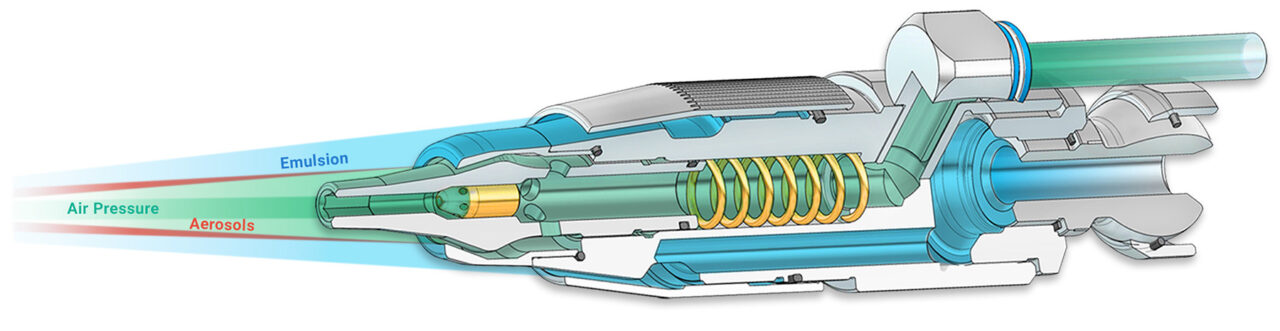
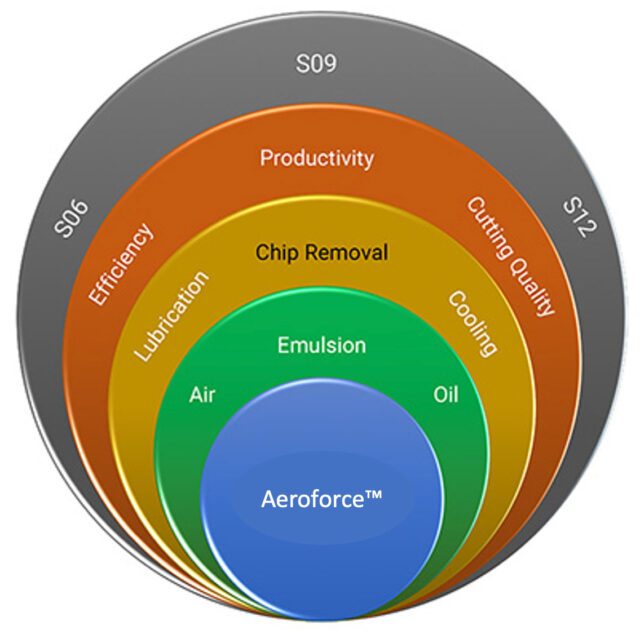
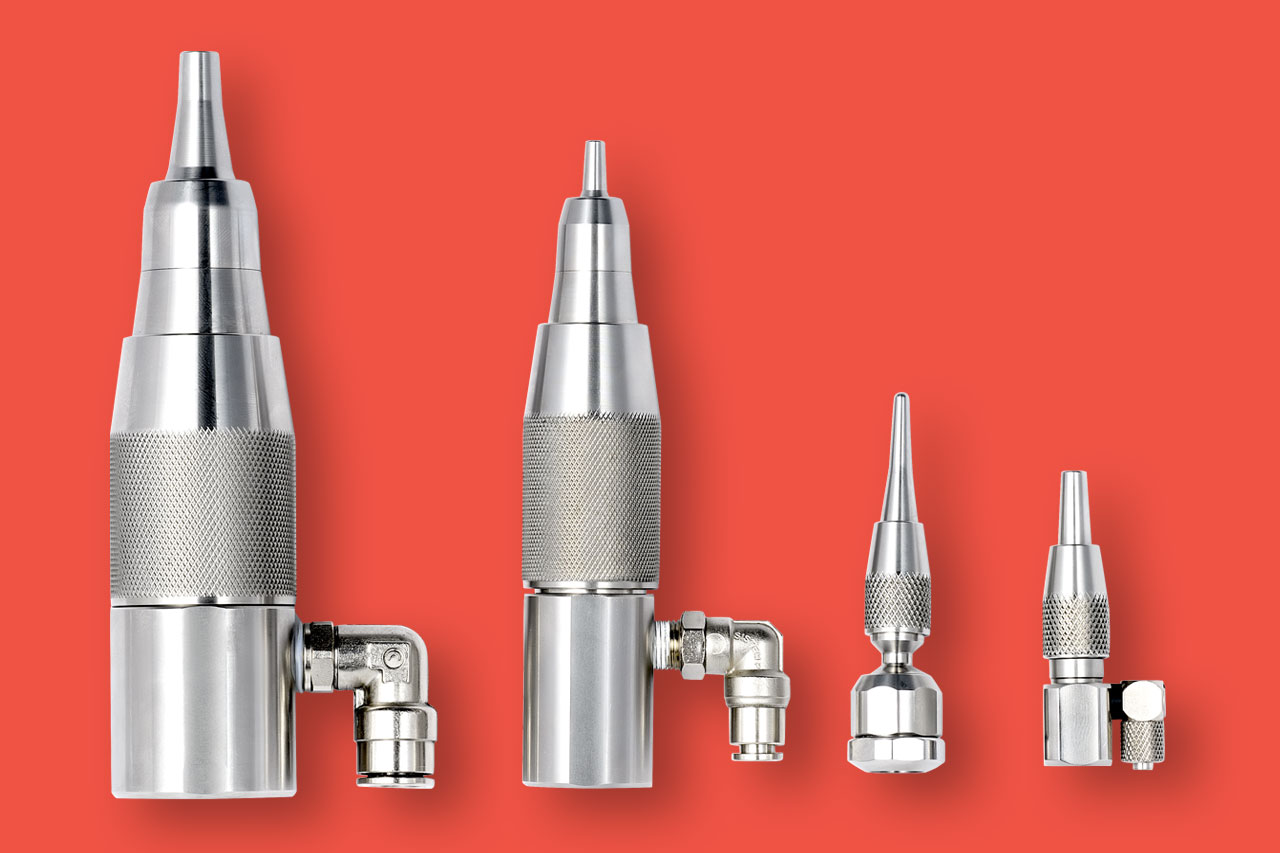
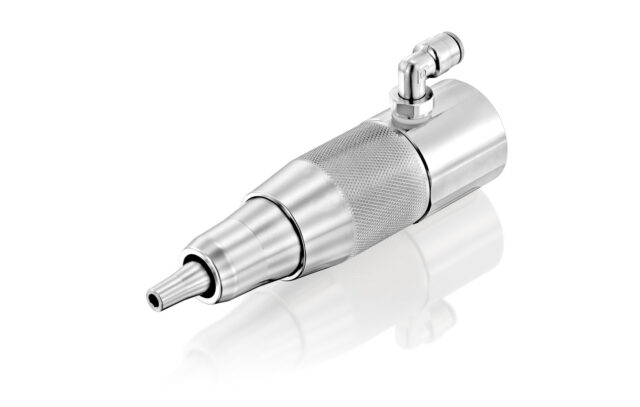
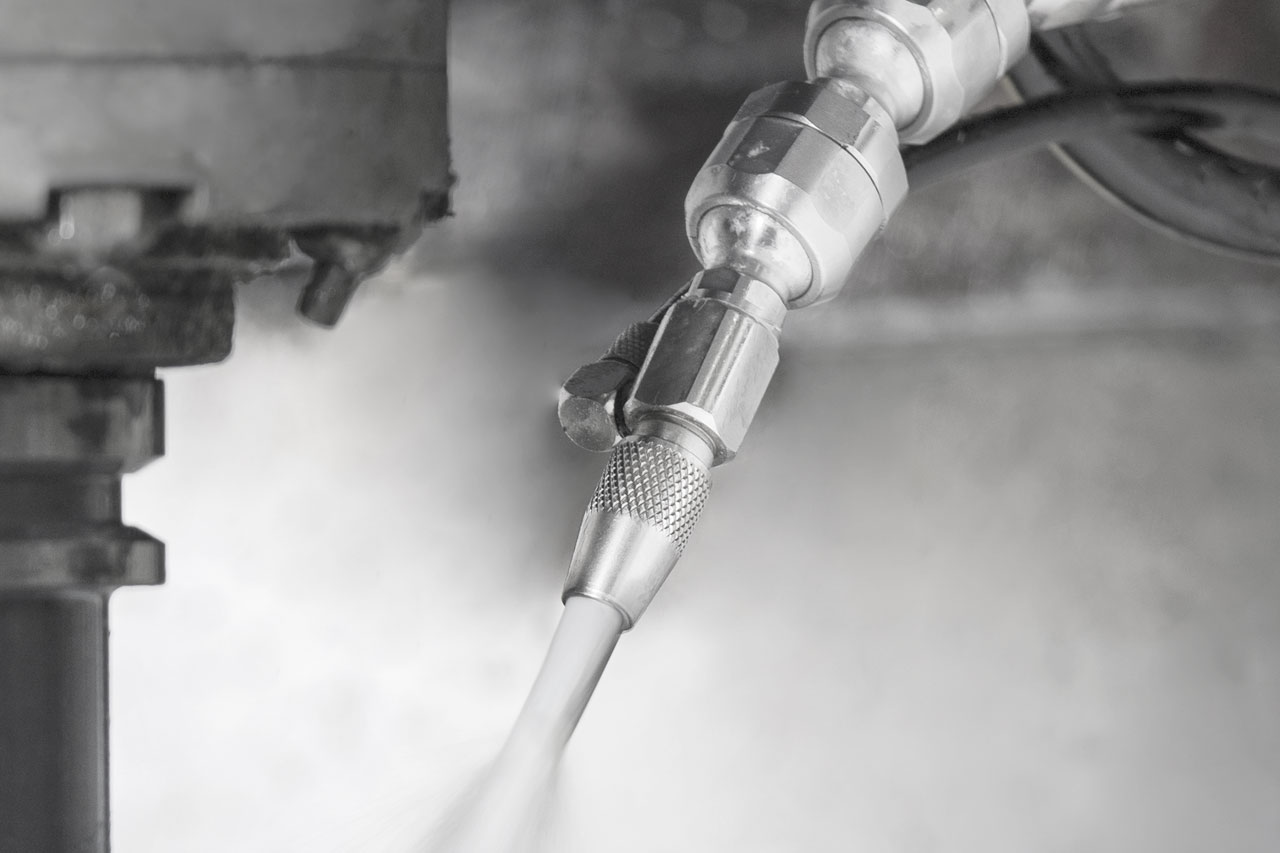
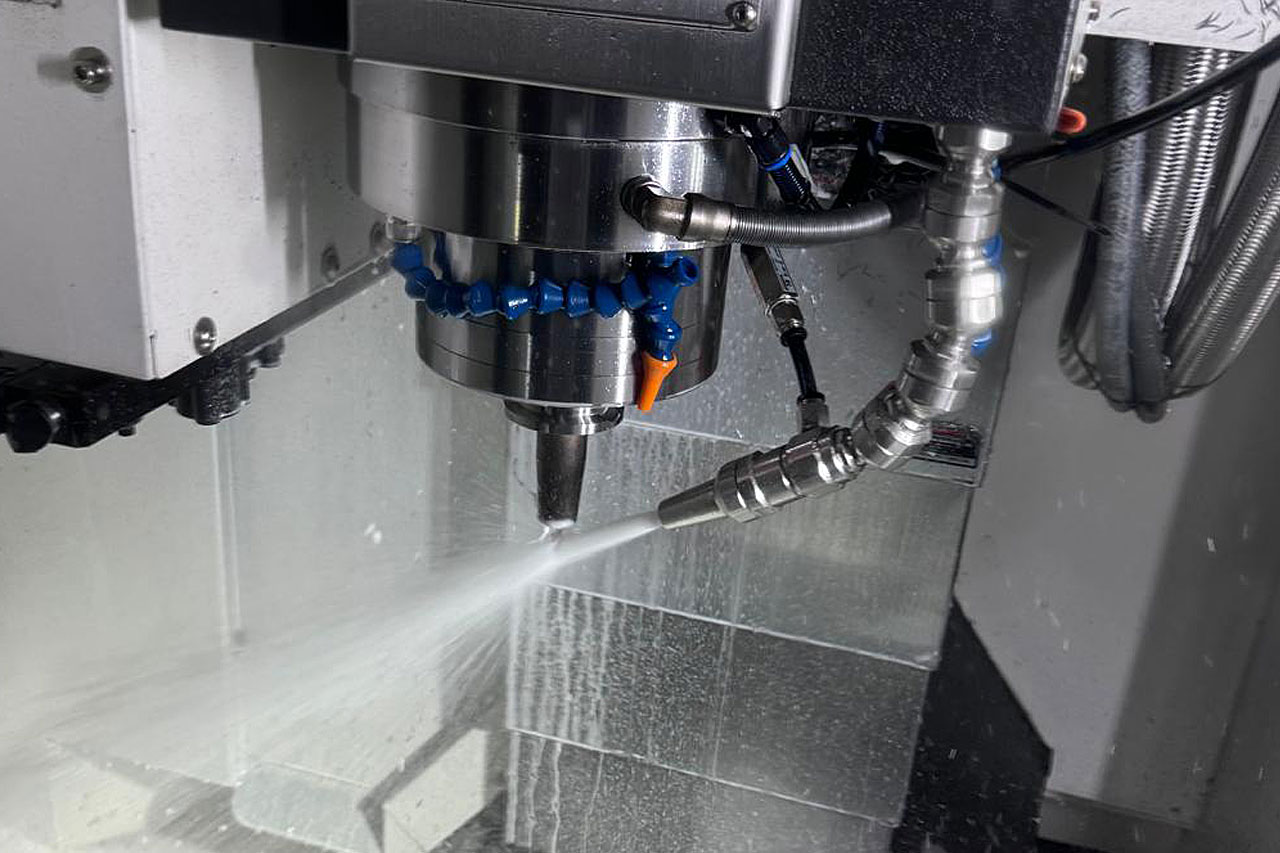
To optimize the cooling capabilities of your machine, we recommend implementing the Aeroforce™ system, which effectively combines the benefits of coolant (emulsion) with the energy of compressed air.

Given the variability in machine configurations, including differences in pumps, piping, jets, and emulsions, these guidelines are designed to help you achieve optimal performance within the specific constraints of your equipment.

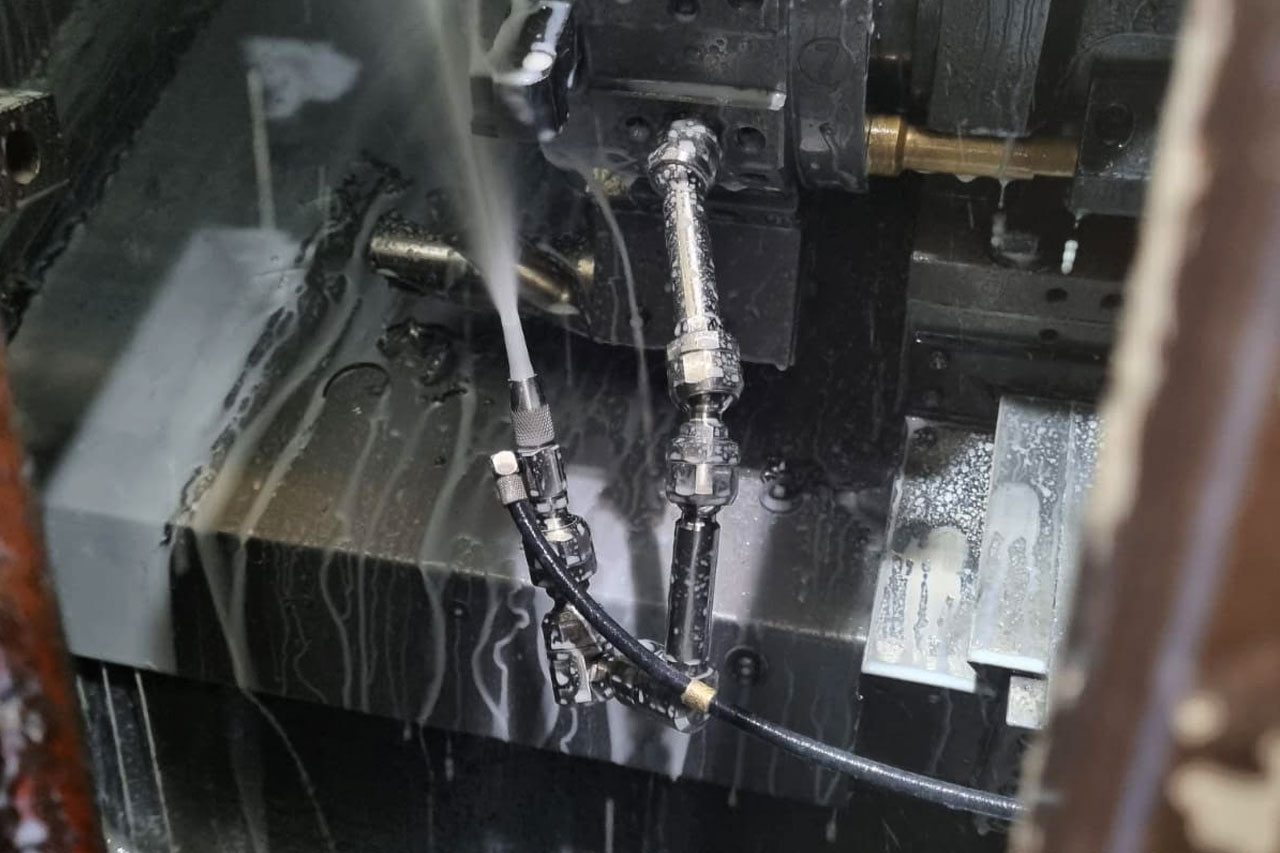
A frequent issue encountered is pulsed discharge of coolant and air, or air discharge without liquid. To mitigate this and enhance system performance, the following checks and adjustments are recommended:

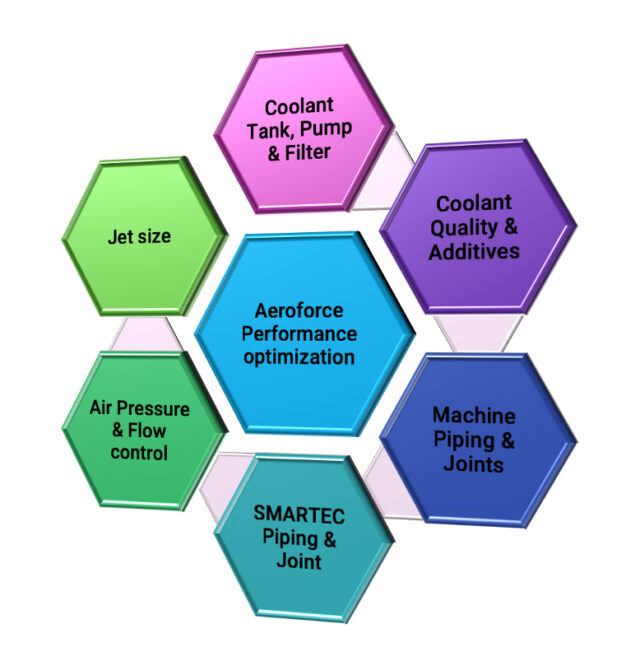
System Optimization Checklist

  1. Emulsion Pump
    • ֻֻVerify proper operation.
    • Repair or replace if performance is compromised.
  2. Emulsion Tank
    • Ensure the tank is clean and free of chips.
    • Maintain fluid levels as per manufacturer specifications.
  3. Emulsion Filter
    • Inspect daily to confirm cleanliness.
    • Replace if causing pressure drops.
  4. Emulsion Quality
    • Check oil concentration and additive levels.
    • Ensure additives reduce foaming and cloudiness under high pressure.
  5. Transitions and Joints
    • Avoid (if possible) restrictive transitions (e.g., 90° or T-joints).
    • Modify and enlarge connections to reduce pressure losses.
  6. Piping
    • Use the largest feasible diameter.
    • Minimize piping length between pump and Aeroforce™ unit.
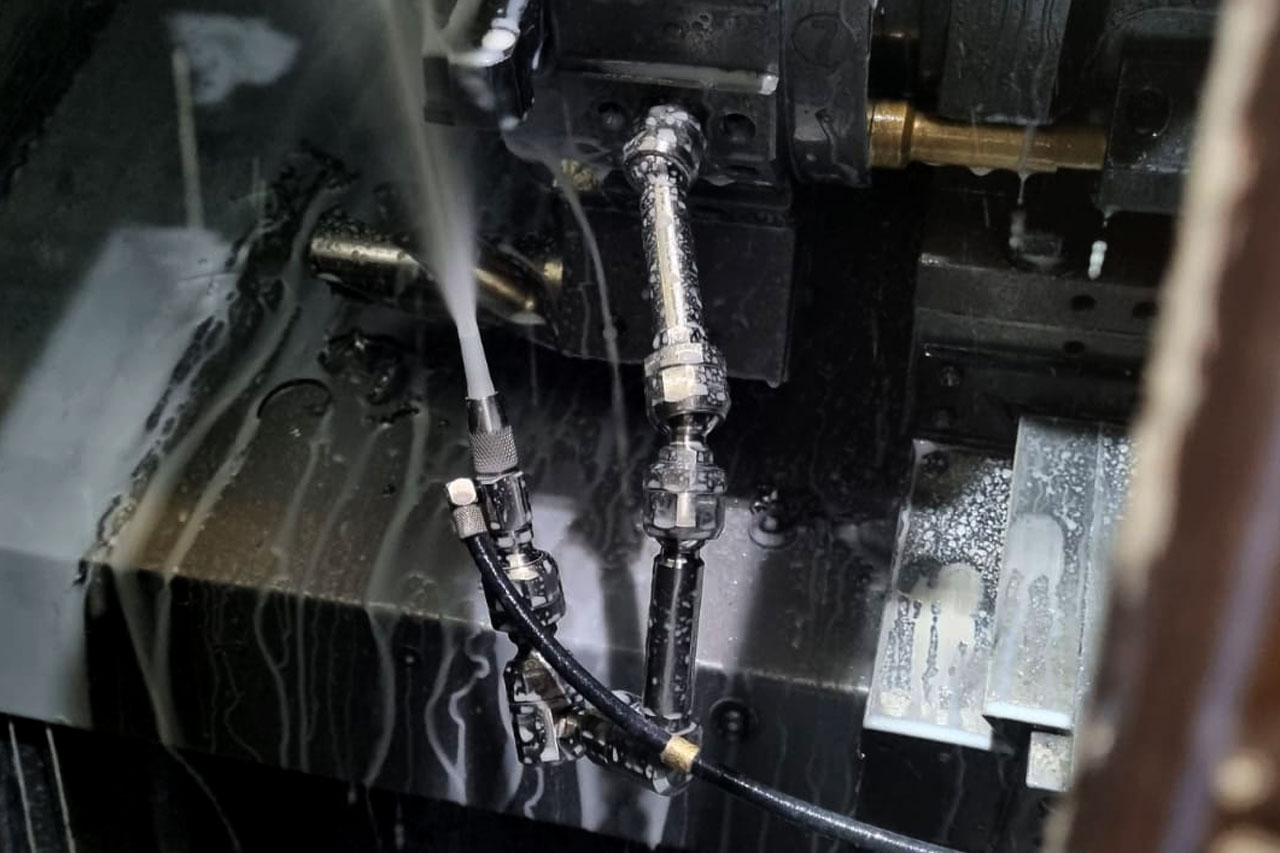
  7. SMARTEC Piping
    • Utilize the largest compatible series (preferably S09 or S12).
  8. Aeroforce™ Unit Placement
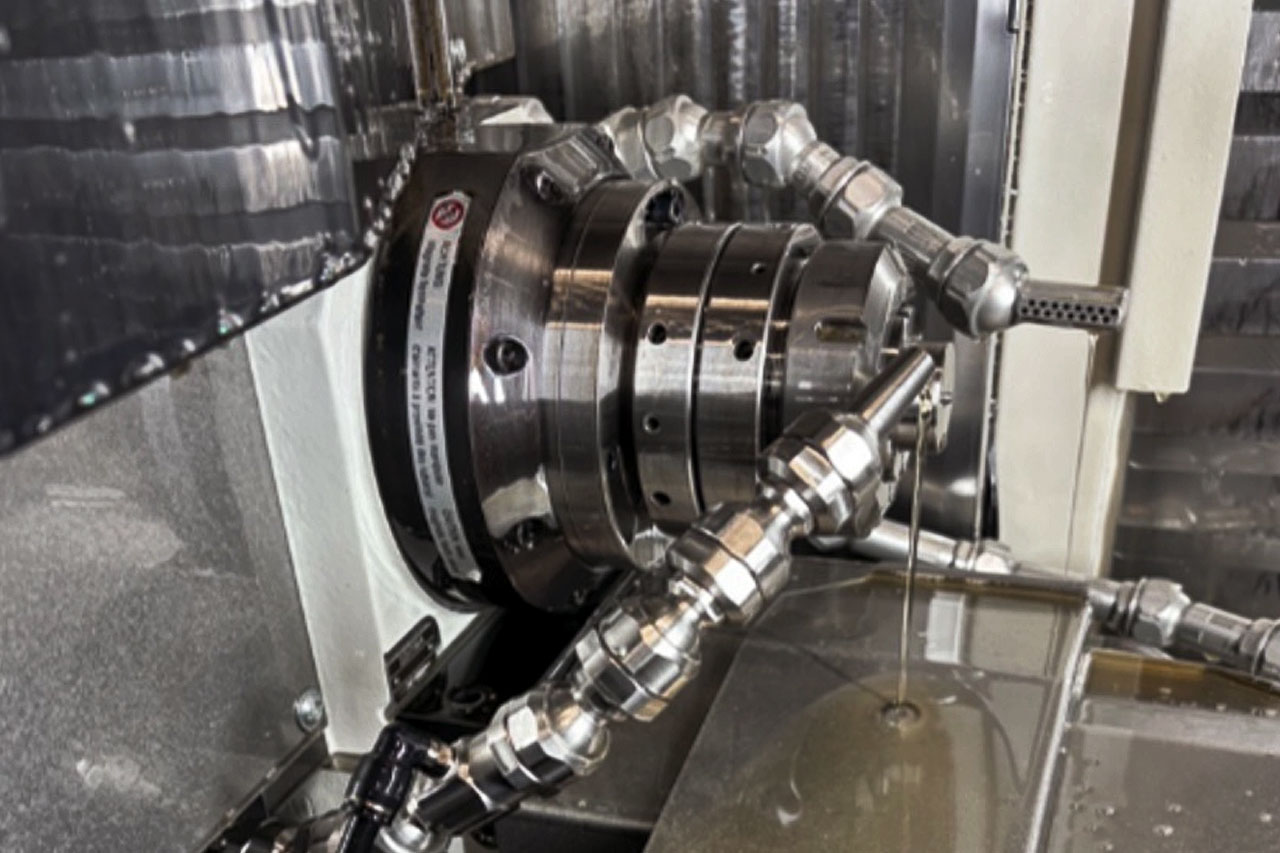
    • Position as close as possible to the outlet nozzle.
  9. Pneumatic Fittings
    • Confirm correct installation of one-way valves and flow regulators.
  10.  Pressure Regulator
    • Adjust inlet pressure regulator according to system specifications.
  11.  Outlet Jets
    • Match Jet diameter to pump capacity.
    • Avoid oversized nozzles (low flow) and undersized nozzles (pulsation).
  12.  Air Flow Control
    • Fine-tune air flow using the air flow regulator.
  13.  Outlet Management
    • Minimize the number of emulsion outlets to maximize pressure.
    • Outlets on same block must be shut off.

By following these guidelines, you can significantly improve the efficiency and reliability of your cooling system, ensuring consistent performance and reduced downtime.


case_study_052024_02.jpg

September 7, 2025

Case study 01-05-2024    Machine / year Topper / 2000    Coolant pressure 3 bar AEROFORCE with 3 bar    Material Steel 1020    Number of parts 1,110    Pocket length 70 mm    Pocket width 40 mm    Pocket depth 54 mm    Feed 4,500 mm/min    Speed 5,000 rpm    Time per pocket […]


NL_smartjet_front.jpg

February 17, 2025

Maintaining proper air quality is important in metal cutting applications that use Aeroforce™ air pressure in combination with the coolant. Here are some considerations for air filtration and drying:

Filtration: Air filtration is crucial to remove any contaminants or particles from the air before it is merged with the coolant. A high-quality air filter can remove dust, oil, and other particles that can contaminate the coolant, leading to poor quality cuts and potentially damaging the cutting tools. A HEPA filter (High-Efficiency Particulate Air filter) can effectively remove particles as small as 0.3 microns.

Drying: Aeroforce™ requires dry air to prevent contamination and maintain consistent performance. Moisture in the air can cause corrosion, rust, and bacterial growth in the emulsions, which can lead to reduced cutting performance and tool damage. A refrigerated air dryer can remove moisture from the air by cooling it below its dew point, while a desiccant air dryer can use a material like silica gel to absorb moisture from the air.

Maintenance: Regular maintenance of air filtration and drying systems is important to ensure they are functioning properly and providing clean, dry air to the coolant. This can include replacing air filters, monitoring humidity levels, and checking for leaks or damage in the air lines.

Air pressure: The air pressure used in the Aeroforce™ can affect air quality. High pressure can cause compressed air to heat up, which can increase moisture levels in the air. Additionally, high pressure can cause air to move faster, potentially picking up more contaminants. It’s important to ensure that the air pressure used is appropriate for the application and that pressure regulators are used to maintain consistent pressure levels.

Emulsion type: Different types of emulsions may have different requirements for air quality. For example, oil-based emulsions may require more rigorous filtration to remove oil particles from the air, while water-based emulsions may be more sensitive to moisture levels in the air.

Air quality standards: Depending on the application and industry, there may be specific air quality standards that must be met. For example, in metalworking of parts for food and beverage industry or the medical industry, compressed air must meet certain purity standards to ensure that it does not contaminate products.

Monitoring: Regular monitoring of air quality is important to ensure that the air filtration and drying systems are working properly and that air quality standards are being met. This can include measuring humidity levels, particle counts, and other metrics.

Maintaining proper air quality is critical for achieving optimal performance in metal cutting. By ensuring proper air filtration and drying, metal cutting applications using Aeroforce™ can achieve better cutting performance, longer tool life, and reduced downtime and maintenance costs. By considering factors such as air filtration, drying, pressure, and emulsion type, and regularly monitoring air quality, operators can ensure that their equipment is operating at its best and producing high-quality cuts.


NL_smartjet_02l.jpg

February 16, 2025

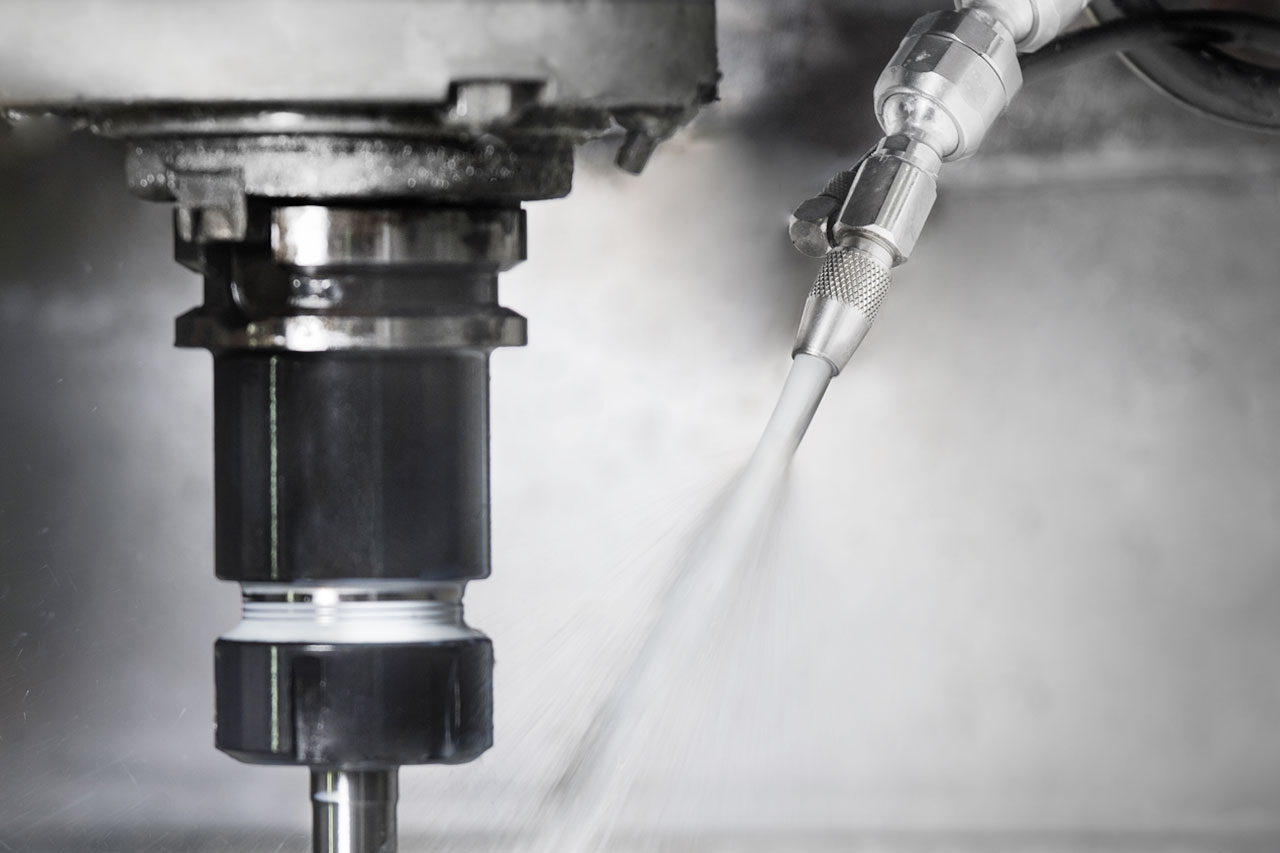
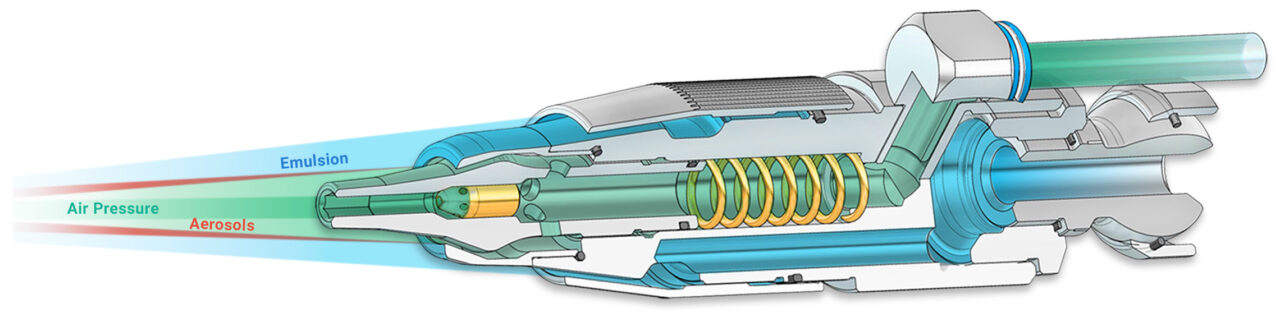
When air pressure meets a thin liquid, such as water, at high speed, it can result in the formation of aerosols. Aerosols are small particles of liquid or solid suspended in the air. These particles are formed when the air pressure forces the liquid into small droplets, which are then carried away by the air. The process of creating aerosols is called atomization, and it is commonly used in a wide range of applications, including industrial processes, medical procedures, and even in everyday life.

Maximum speed of air:

The maximum speed that air can reach when creating aerosols depends on several factors, including the pressure of the air, the density of the liquid, and the size of the orifice used to create the aerosols.

The pressure of the air is the most critical factor that determines the maximum speed of air. The higher the air pressure, the faster the air can move. However, there is a limit to how fast the air can move, and this limit is determined by the speed of sound. The speed of sound is the maximum speed that a pressure wave can travel through a medium, such as air. The speed of sound in air at room temperature is around 340 meters per second (m/s). Therefore, the maximum speed that air can reach when creating aerosols is around 340 m/s (1 Mach).

The density of the liquid is also a crucial factor that affects the maximum speed of air. The denser the liquid, the harder it is for the air to force it into droplets, and the lower the maximum speed of air. For example, water has a higher density than alcohol, so it is more challenging to create aerosols from water than from alcohol.

The size of the Jet or orifice used to create the aerosols also affects the maximum speed of air. The smaller the Jet or orifice, the higher the air pressure required to create aerosols, and the higher the maximum speed of air. However, there is also a limit to how small the Jet or orifice can be before the air pressure required becomes too high to be practical.

Relationship between the speed of air, liquid, and aerosols:

The speed of the aerosols created when air pressure meets a thin liquid depends on several factors, including the speed of the air, the speed of the liquid, and the size of the droplets.

The speed of the aerosols is typically lower than the speed of the air due to the drag force caused by the interaction between the aerosols and the surrounding air. The drag force is proportional to the square of the speed of the aerosols and increases rapidly as the speed of the aerosols increases. Therefore, as the aerosols move away from the source, their speed gradually decreases due to the drag force.

The speed of the liquid also affects the speed of the aerosols. The faster the liquid moves (as in Aeroforce™) the more energy it has, and the smaller the droplets it can form. Smaller droplets have less mass, so they are easier to carry away by the air, resulting in faster-moving aerosols.

The size of the droplets also affects the speed of the aerosols. Smaller droplets have less mass, so they are easier to carry away by the air, resulting in faster-moving aerosols. However, smaller droplets also have a larger surface area per unit volume, which makes them more susceptible to evaporation and can cause them to dry out before they reach their destination.

Atomization can be used as a coolant in metal cutting applications. Metal cutting involves removing material from a workpiece using cutting tools, which can generate a lot of heat due to friction and deformation of the material. The heat generated can cause damage to the cutting tool and the workpiece, resulting in reduced tool life, poor surface finish, and dimensional inaccuracies.

Atomized coolants are used to reduce the heat generated during the cutting process by spraying a combination of emulsion, air and aerosols onto the cutting tool and the workpiece. The coolant absorbs the heat generated and carries it away from the cutting zone, reducing the temperature and improving the efficiency and accuracy of the cutting process.

Atomized coolants are typically used in high-speed machining applications, where the cutting tools operate at high speeds and generate a lot of heat. The use of atomized coolants can also improve the quality and consistency of the surface finish by reducing the formation of burrs and improving chip evacuation.

There are several advantages of using atomized coolants in metal cutting applications. Firstly, they can significantly reduce the temperature in the cutting zone, which can prolong the life of the cutting tool and improve the surface finish of the workpiece. Secondly, they can improve chip evacuation, resulting in better cutting efficiency and reducing the risk of chip buildup and tool damage. Thirdly, they can reduce the amount of fluid used, which can be more cost-effective and environmentally friendly compared to traditional coolant systems.

In conclusion, the use of atomized coolants jets in Aeroforce™ units in metal cutting applications can significantly improve the efficiency, accuracy, and quality of the cutting process. They can reduce the temperature in the cutting zone, improve chip evacuation, and reduce the amount of fluid used. Understanding the factors that affect atomization, such as the air pressure, the density of the coolant, and the size of the jet, can help optimize the cooling process and improve the performance of metal cutting applications.
NL_9_image_02.jpg

February 16, 2025

Metalworking processes are an essential part of many industries, ranging from aerospace to construction. The processes involve cutting, shaping, and forming metallic materials to create various components and products. During these operations, chips or small pieces of the metal are formed as the cutting tool removes material. These chips can cause several issues if not cleared immediately, affecting the quality of the workpiece, and damaging the cutting tool. Therefore, it is crucial to clear the chips promptly after their formation to ensure that the machining operation proceeds efficiently.

The primary reason for clearing chips immediately is to prevent them from recutting and interfering with the tool’s performance. When the cutting tool encounters chips left in the workpiece, it can push them into the surface, causing damage, and reducing the tool’s lifespan. This effect is particularly common when using tools with multiple flutes, where the chips can get trapped between the flutes, causing friction and heat buildup. As a result, the cutting tool can overheat, leading to premature wear or even catastrophic failure.

Clearing chips immediately also helps to maintain the quality of the workpiece by reducing the chances of surface defects such as burrs, scratches, and roughness. These defects can be caused by the recutting of chips or the accumulation of chips on the surface of the workpiece. Chips can also cause interruptions in the cutting process, leading to variations in the cutting force, which can cause dimensional inaccuracies in the workpiece. Therefore, clearing chips immediately after formation is essential to ensure that the machining operation proceeds efficiently, with minimal interference and high precision.

One of the most effective ways of clearing chips in metalworking processes is through the use of coolants or cutting fluids, which are applied to the cutting tool and the workpiece during the operation. Coolants help to lubricate the cutting tool and workpiece, reducing friction and heat buildup, which can cause premature tool wear and workpiece damage. They also help to flush away chips from the cutting zone, preventing recutting and reducing the chances of surface defects.

Emulsions are a type of coolant commonly used in metalworking processes due to their versatility and effectiveness. Emulsions are made up of oil and water, with additives such as surfactants, rust inhibitors, and biocides. The emulsion’s composition can be adjusted to suit specific machining operations, such as cutting speed, tool material, and workpiece material. When applied to the cutting zone, the emulsion helps to reduce the cutting temperature, lubricate the tool, and flush away chips from the workpiece.

However, emulsions alone may not be sufficient to clear chips effectively, especially when machining deep holes or narrow slots, where the chips can get trapped and cause recutting. Therefore, a combination of emulsion and air pressure can dramatically improve chip dispersion and clearing.

Air pressure, also known as chip evacuation, is a method of using compressed air to blow chips away from the cutting zone. Air pressure is particularly effective when dealing with long, stringy chips that may not be easily flushed away by emulsions. When air pressure is applied, the chips are blown out of the cutting zone, preventing recutting, and reducing the chances of interference with the tool or the workpiece. Air pressure can be applied through various methods, such as through the spindle of the machine, through dedicated air nozzles, or through the cutting tool itself. By using the Aeroforce™ we enable to provide the air pressure at the most precise and correct point without adversely affecting the flow of the coolant.

When emulsion and air pressure are used together, the benefits of both methods are combined, resulting in a highly effective chip clearing system. The emulsion helps to lubricate the cutting tool and workpiece, reducing friction and heat buildup, while the air pressure blows the chips away from the cutting zone, preventing recutting and reducing the chances of interference. The combination of emulsion and air pressure also helps to reduce the overall machining time, as the process of clearing chips is faster and more efficient, allowing for higher productivity and throughput.

To achieve the best results with a combination of emulsion and air pressure, it is crucial to optimize the parameters of the machining operation. This includes adjusting the emulsion concentration, the air pressure, the cutting speed, and the feed rate. These parameters should be optimized for the specific workpiece material, cutting tool, and machining operation to ensure that the chip clearing system is effective and efficient.

In conclusion, clearing chips immediately after their formation is essential in metalworking processes to maintain the quality of the workpiece, prevent damage to the cutting tool, and ensure efficient machining operations. Emulsions are a popular coolant used in metalworking processes, but they may not be sufficient on their own to clear chips effectively, especially in deep holes or narrow slots. A combination of emulsion and air pressure as perfectly used in Aeroforce™ is highly effective in clearing chips, preventing recutting, reducing interference, and improving productivity. By optimizing the parameters of the machining operation, metalworkers can achieve the best results with this chip clearing system, leading to high-quality workpieces, longer tool lifespan, and improved efficiency.


NL_images_smartjet_red.jpg

November 9, 2023

When using metalworking machines, it is common to use a coolant to lubricate and cool the cutting tools, as well as to remove the chips and swarf produced during machining. In some cases, it is also beneficial to use the SmartJet™ to disperse the chips more efficiently. However, when using the SmartJet™ to disperse chips, it is essential to choose the right coolant to avoid the formation of fog when the air pressure is merged with the coolant.

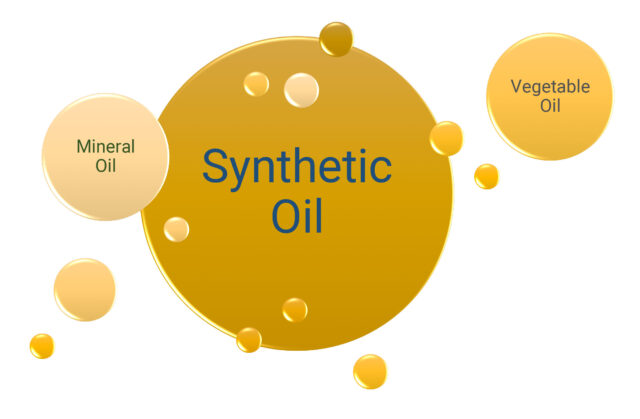
When it comes to choosing an oil coolant for metalworking machines that are using SmartJet™, there are several factors to consider. One of the most important considerations is whether to use synthetic or mineral oil. Another critical factor is the viscosity of the oil.

Synthetic oil is often preferred over mineral oil when using the SmartJet™ because it has better cooling properties and is less likely to oxidize or break down when exposed to high temperatures. This can be especially important when using the SmartJet™, as the chips can generate a significant amount of heat that must be dissipated quickly to avoid damage to the machine or the workpiece.

Another advantage of using synthetic oil with the SmartJet™ is that it is less likely to produce fog than mineral oil. This is because synthetic oil typically has a lower vapor pressure than mineral oil, which means that it is less likely to evaporate and form a mist or fog when exposed to air pressure.

However, synthetic oil can be more expensive than mineral oil, which can make it less cost-effective for some metalworking applications. If cost is a significant consideration, it may be more appropriate to use mineral oil, which can provide adequate lubrication and cooling properties at a lower cost.

When it comes to viscosity, a low viscosity oil is generally preferred when using the SmartJet™. This is because a low viscosity oil can flow more easily and effectively through the machine and can better remove the chips and swarf produced during machining. A low viscosity oil can also help to prevent the formation of fog when using the SmartJet because it is less likely to create droplets that can evaporate and form a mist or fog.

However, it is important to note that the ideal viscosity of the oil will depend on the specific application and the requirements of the machine. In some cases, a higher viscosity oil may be necessary to provide adequate lubrication and cooling properties or to meet other performance requirements.

In addition to the choice of coolant and viscosity, there are several other factors to consider when using SmartJet™ in metalworking machines. One of the most important considerations is the design of the machine and the coolant delivery system. The coolant delivery system must be designed to deliver the coolant evenly and effectively to the cutting area, while also minimizing the formation of mist or fog.


The specific gravity of the oil used as a coolant can also have an effect on the formation of fog when using the SmartJet™ in metalworking machines.

When the coolant is atomized and dispersed by air pressure, it can form a fine mist or fog that can create a hazy environment in the workspace. This can be a safety hazard for workers and can also cause problems with visibility and machine maintenance.

The specific gravity of the coolant can affect the size of the droplets in the coolant mist. A higher specific gravity coolant will tend to produce larger droplets, which are less likely to form a fog. However, larger droplets can also reduce the effectiveness of the coolant in lubricating and cooling the tool.

A lower specific gravity coolant will tend to produce smaller droplets, which are more likely to form a fog. However, smaller droplets can also provide more effective cooling and lubrication, especially in high-speed machining applications.

Another critical factor to consider is the operating conditions of the machine, including the cutting speed, the type of material being machined, the temperature and humidity of the environment. These factors can affect the performance of the coolant and the effectiveness of the SmartJet™.

The choice of coolant and viscosity when using the SmartJet™ in metalworking machines will depend on the specific application and the requirements of the machine. In general, synthetic oil is preferred over mineral oil because it has better cooling properties and is less likely to produce fog. A low viscosity oil is also generally preferred because it can flow more easily and effectively through the machine and can better remove the chips and swarf produced during machining.

However, it is important to consider all factors carefully when selecting a coolant for metalworking machines, including the cost, performance requirements, and operating conditions of the machine. By choosing the right coolant and viscosity and designing an effective coolant delivery system, metalworking machines can operate efficiently and accurately, while also ensuring the safety of the operator and the quality of the finished product.


NL_6_image_1.jpg

November 7, 2023

Emulsions are widely used in metalworking applications to improve the performance of cutting and grinding fluids. An emulsion is a mixture of two immiscible liquids, typically oil and water, stabilized by an emulsifier. In metalworking applications using SmartJet™, the emulsion is typically directed into the process using air pressure to improve the flow rate and coverage. In this article, we will provide general guidance on selecting an emulsion suitable for optimal work with the SmartJet™ in metalworking applications.


Selection of Base Fluids:

The first step in formulating an emulsion is to select the base fluids. The base fluids should be carefully chosen to ensure they are compatible and provide the desired performance. In metalworking applications, mineral synthetic oil and water are commonly used as the base fluids. Synthetic oil is preferred because of its lubricating properties, while water is used for its cooling properties.


Selection of Emulsifier:

The second step in formulating an emulsion is to select the emulsifier. The emulsifier is a crucial component of the emulsion because it helps to stabilize the mixture and prevent separation. There are different types of emulsifiers available, including anionic, cationic, and non-ionic emulsifiers. In metalworking applications, non-ionic emulsifiers are preferred because they are more stable and compatible with a wide range of base fluids.


Emulsion Concentration:

The concentration of the emulsion is an important factor in its performance. The concentration is typically expressed as a percentage of the total volume of the emulsion. In metalworking applications, emulsions with a concentration of 5-15% are common. The concentration should be carefully selected based on the desired performance and the application requirements.


Mixing Procedure:

The mixing procedure is also an important factor in the formulation of an emulsion. The emulsifier should be added to the base fluid slowly while stirring. The mixture should be agitated until the emulsifier is completely dissolved. The emulsifier should be added in the recommended dosage to ensure the stability of the emulsion. Once the emulsifier is dissolved, the emulsion should be mixed using a high-speed mixer until it is homogeneous.

pH of Emulsion:

The pH of the emulsion is also an important factor in its performance. The pH should be carefully controlled to ensure it is within the desired range. In metalworking applications, the pH of the emulsion is typically between 8 and 9. The pH can be adjusted using a pH buffer solution. The pH buffer solution should be added slowly while monitoring the pH until it reaches the desired range.


Selection of Additives:

Additives can be added to the emulsion to improve its performance. Additives can provide additional lubrication, improve the cooling properties, and reduce the foaming of the emulsion. The selection of additives should be based on the application requirements and the desired performance.


Air Pressure:

The air pressure should be carefully controlled to ensure the emulsion is delivered at the desired flow rate and coverage. The air pressure can be adjusted using a pressure regulator.


In summary, the formula for creating an effective emulsion for metalworking applications using SmartJet™ involves the careful selection of base fluids, emulsifiers, and additives, as well as the control of emulsion concentration, pH, and air pressure. The emulsion should be carefully mixed using a high-speed mixer until it is homogeneous. The emulsion can then be delivered to the metalworking process using SmartJet™ to improve the flow rate and coverage.

It is recommended to consult with an emulsion supplier or metalworking specialist to select an emulsion that is suitable for your specific application and process requirements. They can provide guidance on selecting the appropriate emulsion and ensure that it is compatible with SmartJet™ needs.


NL_5_image_1n.jpg

November 7, 2023

In the world of metal processing, cooling and lubrication are key components in achieving optimal performance. The use of emulsion and oil is common practice to keep the metal workpieces cool and lubricated, while also removing chips from the work point. However, the efficiency of the coolant and lubricant is highly dependent on the way it is applied to the metal workpiece. That’s where SmartJet™ comes in.

SmartJet™ is the perfect tool used for optimizing the application of coolant and lubricant in metal processing machines. By combining coolant pressure and air pressure in an optimal way, SmartJet™ improves the metal processing performance, making the process more efficient and effective.

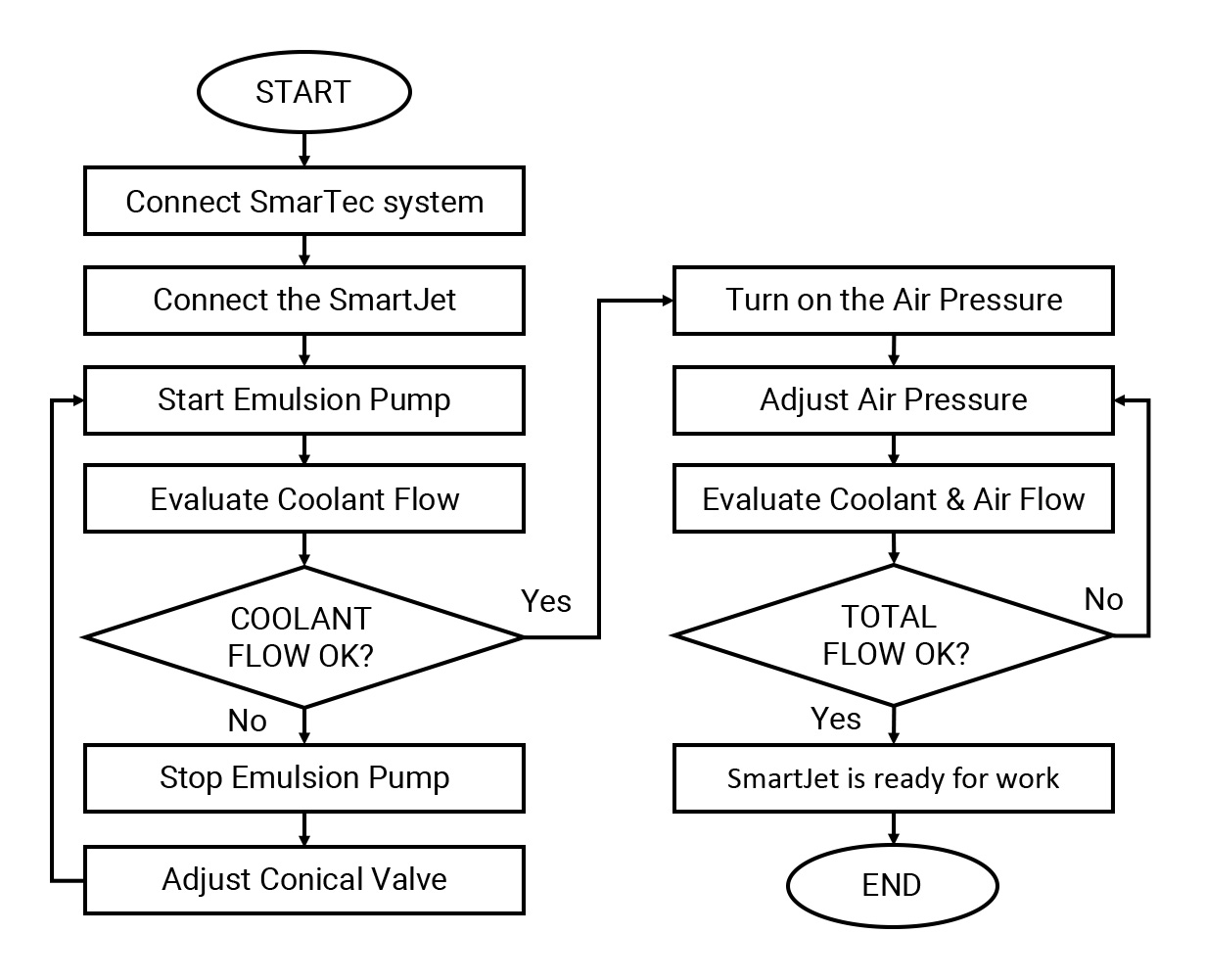
However, to use the SmartJet™ effectively, it is important to tune the flow of the coolant through the conical valve first. Only after tuning the coolant flow should air pressure be added and tuned to focus the coolant flow and reduce the amount of fog produced.

To begin with, it is important to understand the function of the coolant in metal processing. The coolant serves to reduce the heat generated during the metal processing process. Heat generated during metal processing can cause damage to the workpiece, tooling, and machine. Moreover, it can affect the quality of the end product. Therefore, coolant is applied to the workpiece to reduce the temperature and protect it from damage.

The coolant is also used to lubricate the workpiece and tooling. This helps to reduce friction and wear, thereby increasing tool life and improving the quality of the end product. Additionally, the coolant helps to remove chips from the work point, which can clog the machine and affect the quality of the end product.

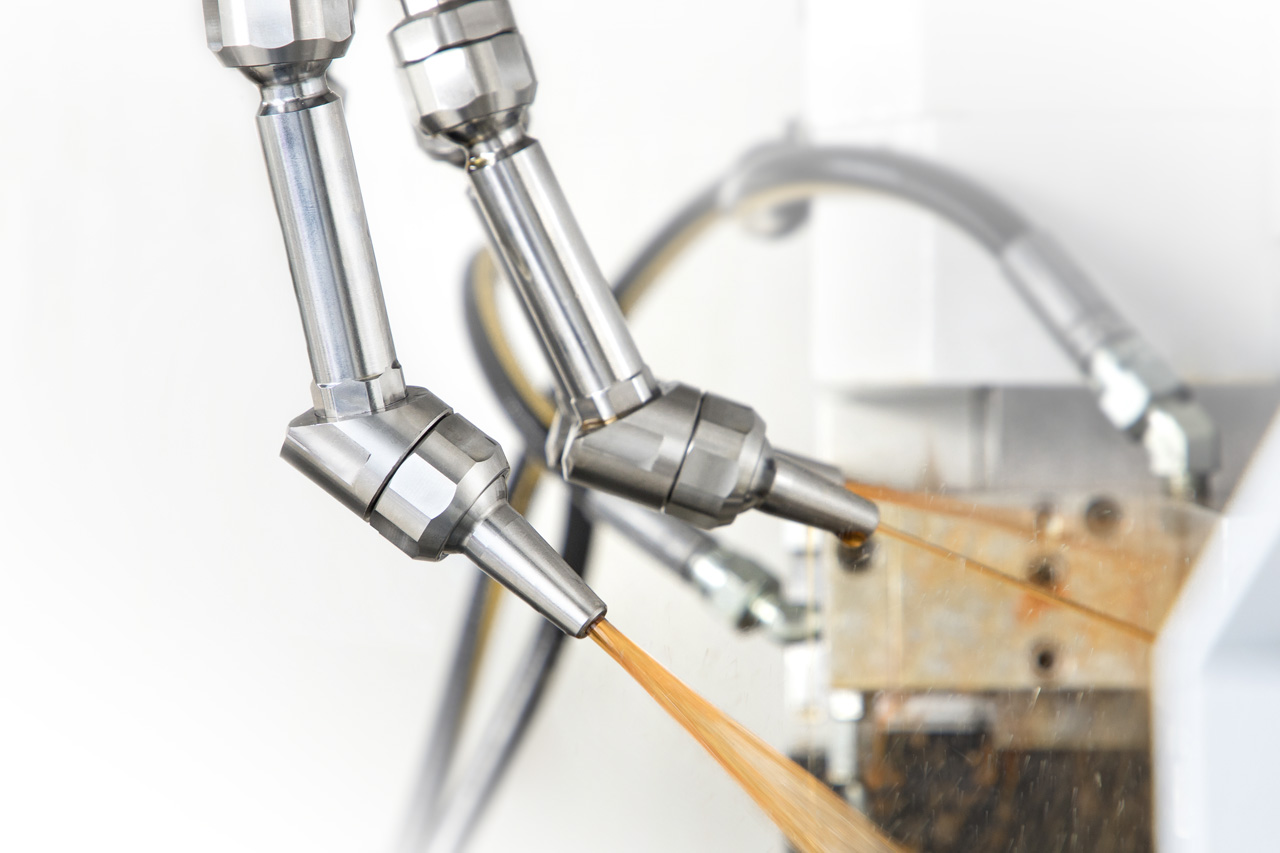
SmartJet™ optimizes the application of coolant by combining coolant pressure and air pressure in a way that focuses the coolant flow and reduces the amount of fog produced. The conical valve in SmartJet™ plays a critical role in tuning the flow of the coolant. By adjusting the valve, the flow rate and pressure of the coolant can be optimized for the specific metal processing application.

Once the flow of the coolant has been tuned, the air pressure can be added and tuned to optimize the application of coolant. The air pressure helps to focus the coolant flow and reduce the amount of fog produced. This is important because fog can reduce visibility, affecting the ability of operators to monitor the metal processing process. Moreover, fog can cause safety hazards in the workplace.

The direction of the coolant and air can be adjusted to achieve the desired result. This may involve adjusting the angle and distance of the SmartJet™ from the workpiece. It may also involve adjusting the air pressure to optimize the flow of the coolant.

It is important to note that the SmartJet™ is not a one-size-fits-all solution. The optimal settings for the SmartJet™ will vary depending on the specific metal processing application. Therefore, it is important to test and adjust the settings of the SmartJet™ to achieve the desired result.


In conclusion, the SmartJet™ is an important tool for optimizing the application of coolant and lubricant in metal processing machines. By combining coolant pressure and air pressure in an optimal way, SmartJet™ improves the metal processing performance, making the process more efficient and effective. However, to use the SmartJet™ effectively, it is important to tune the flow of the coolant through the conical valve first, and then add and tune the air pressure to focus the coolant flow and reduce the amount of fog produced. By doing so, metal processing operators can achieve optimal performance and improve the quality of the end product.